Thursday, 18 July 2019

iOS 13: Here are the new security and privacy features you might’ve missed

In just a few weeks Apple’s new iOS 13, the thirteenth major iteration of its popular iPhone software, will be out — along with new iPhones and a new iPad version, the aptly named iPadOS. We’ve taken iOS 13 for a spin over the past few weeks — with a focus on the new security and privacy features — to see what’s new and how it all works.

Here’s what you need to know.

You’ll start to see reminders about apps that track your location
1 location track

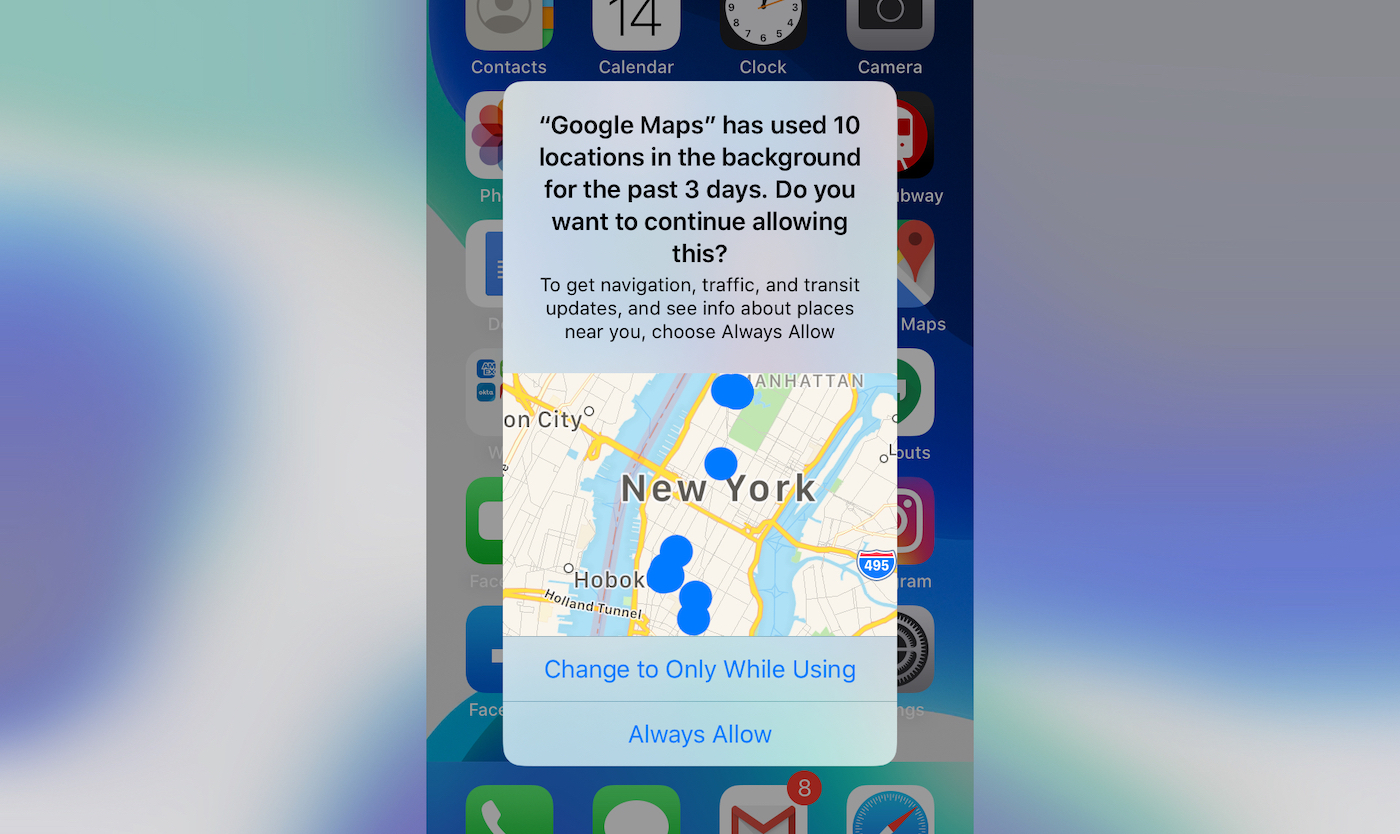
Ever wonder which apps track your location? Wonder no more. iOS 13 will periodically remind you about apps that are tracking your location in the background. Every so often it will tell you how many times an app has tracked where you’ve been in a recent period of time, along with a small map of the location points. From this screen you can “always allow” the app to track your location or have the option to limit the tracking.

You can grant an app your location just once
2 location ask

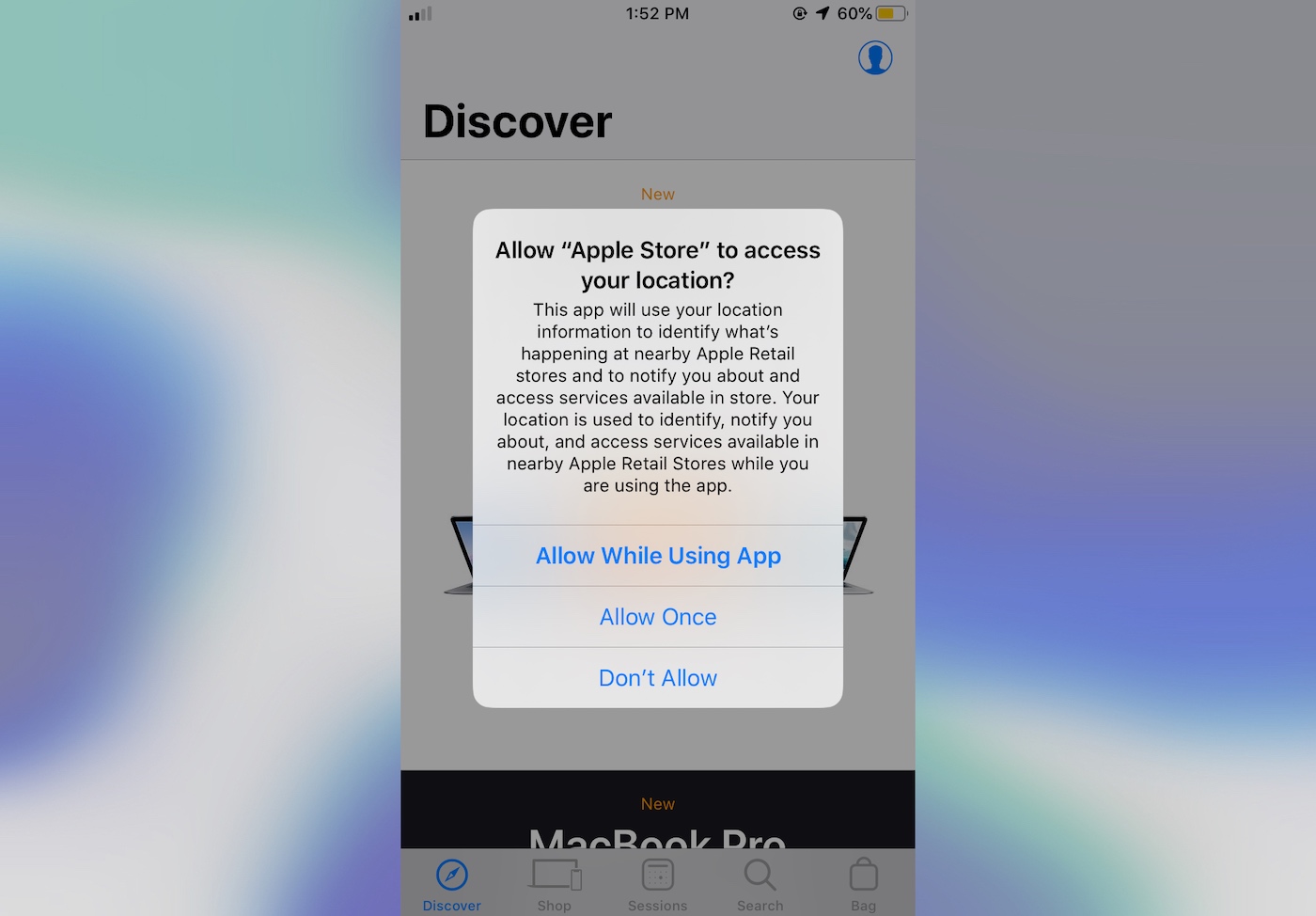
To give you more control over what data have access to, iOS 13 now lets you give apps access to your location just once. Previously there was “always,” “never” or “while using,” meaning an app could be collecting your real-time location as you’re using it. Now you can grant an app access on a per use basis — particularly helpful for the privacy-minded folks.

And apps wanting access to Bluetooth can be declined access
Screen Shot 2019 07 18 at 12.18.38 PM

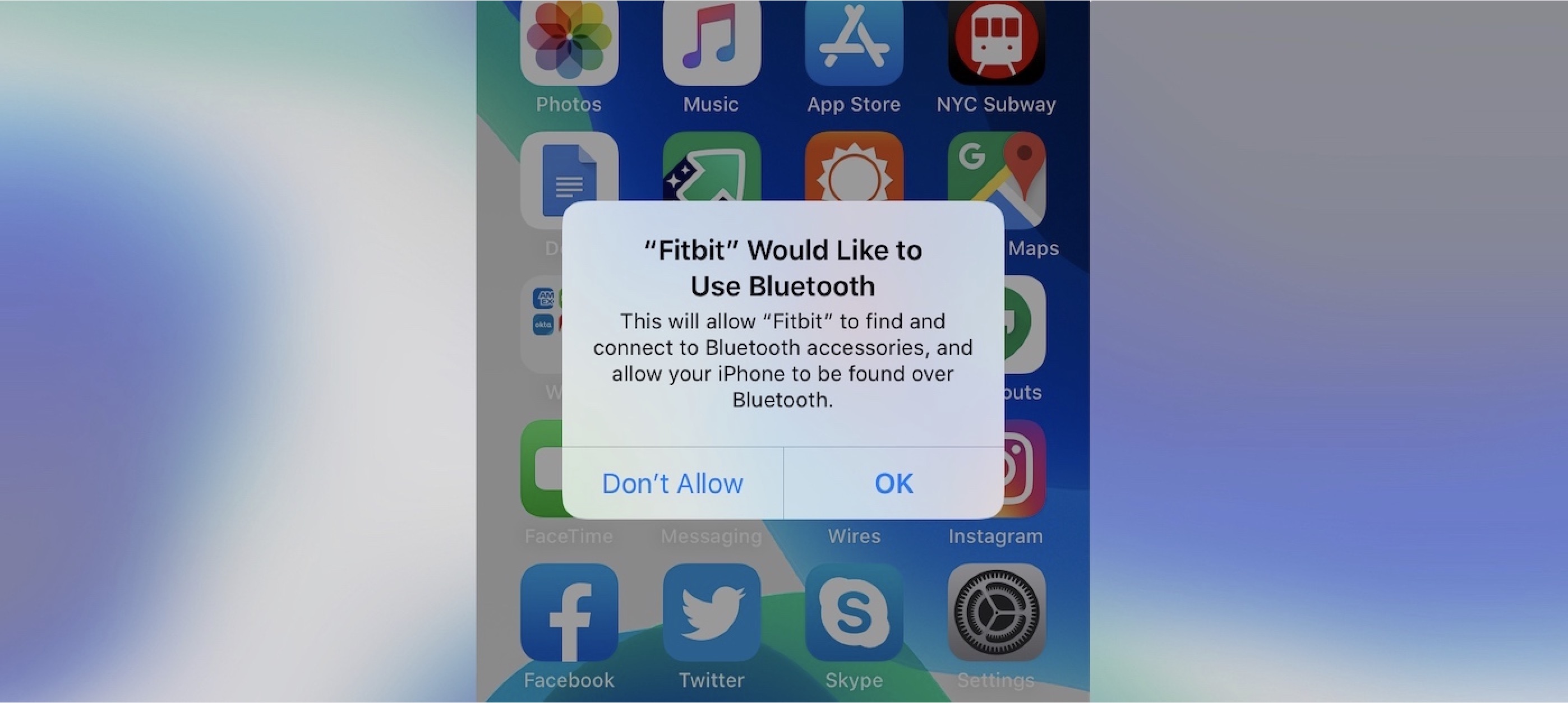
Apps wanting to access Bluetooth will also ask for your consent. Although apps can use Bluetooth to connect to gadgets, like fitness bands and watches, Bluetooth-enabled tracking devices known as beacons can be used to monitor your whereabouts. These beacons are found everywhere — from stores to shopping malls. They can grab your device’s unique Bluetooth identifier and track your physical location between places, building up a picture of where you go and what you do — often for targeting you with ads. Blocking Bluetooth connections from apps that clearly don’t need it will help protect your privacy.

Find My gets a new name — and offline tracking
5 find my

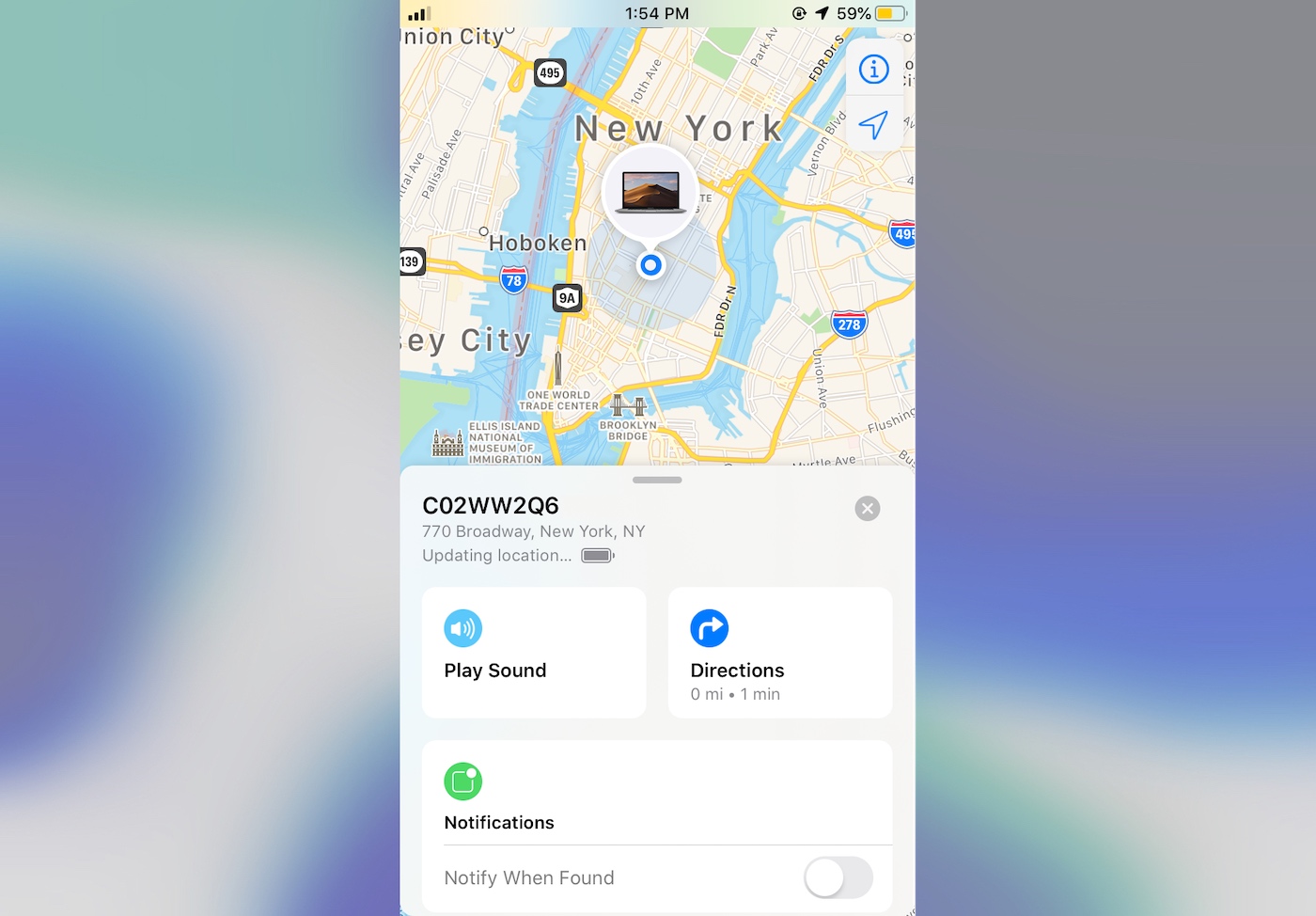
Find My, the new app name for locating your friends and lost devices, now comes with offline tracking. If you lost your laptop, you’d rely on its last Wi-Fi connected location. Now it broadcasts its location using Bluetooth, which is securely uploaded to Apple’s servers using nearby cellular-connected iPhones and other Apple devices. The location data is cryptographically scrambled and anonymized to prevent anyone other than the device owner — including Apple — from tracking your lost devices.

Your apps will no longer be able to snoop on your contacts’ notes
8 contact snoop

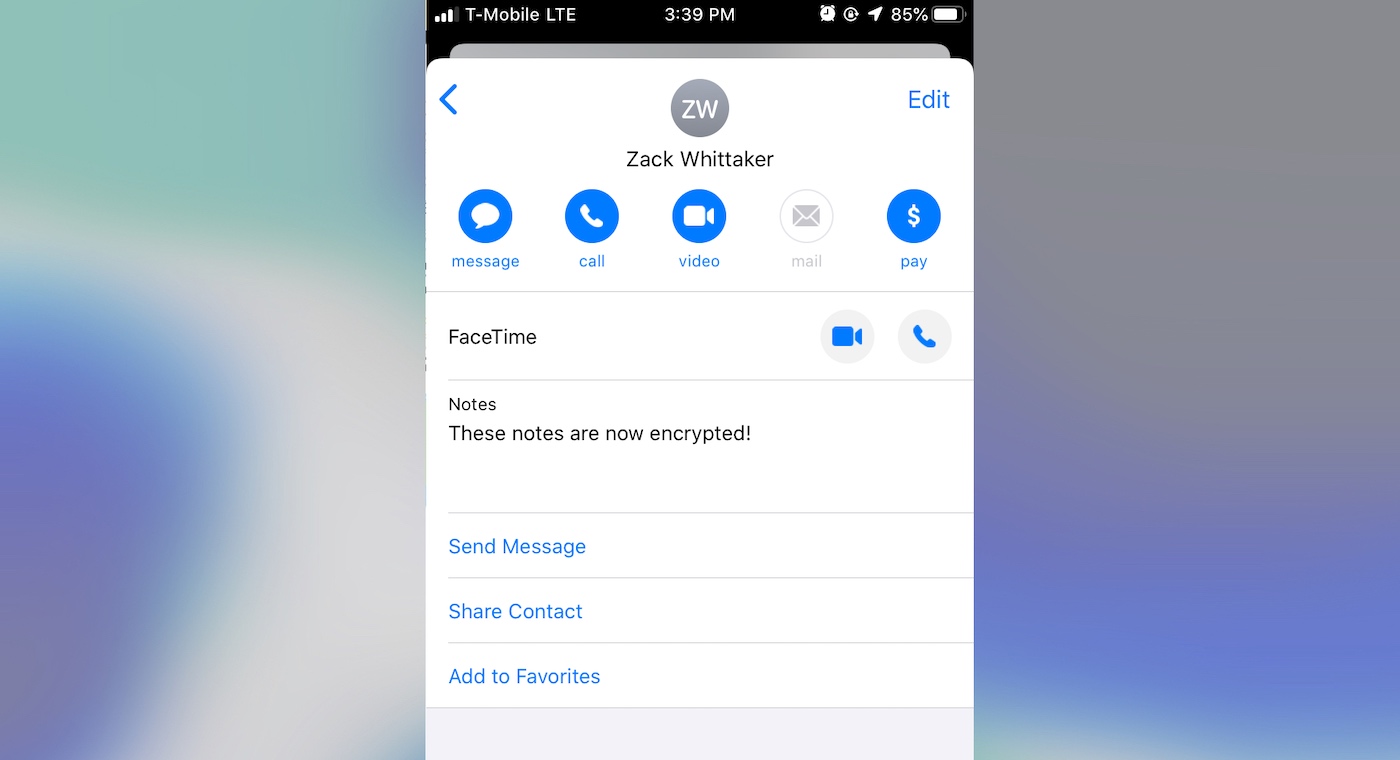
Another area that Apple is trying to button down is your contacts. Apps have to ask for your permission before they can access to your contacts. But in doing so they were also able to access the personal notes you wrote on each contact, like their home alarm code or a PIN number for phone banking, for example. Now, apps will no longer be able to see what’s in each “notes” field in a user’s contacts.

Sign In With Apple lets you use a fake relay email address
6 sign in

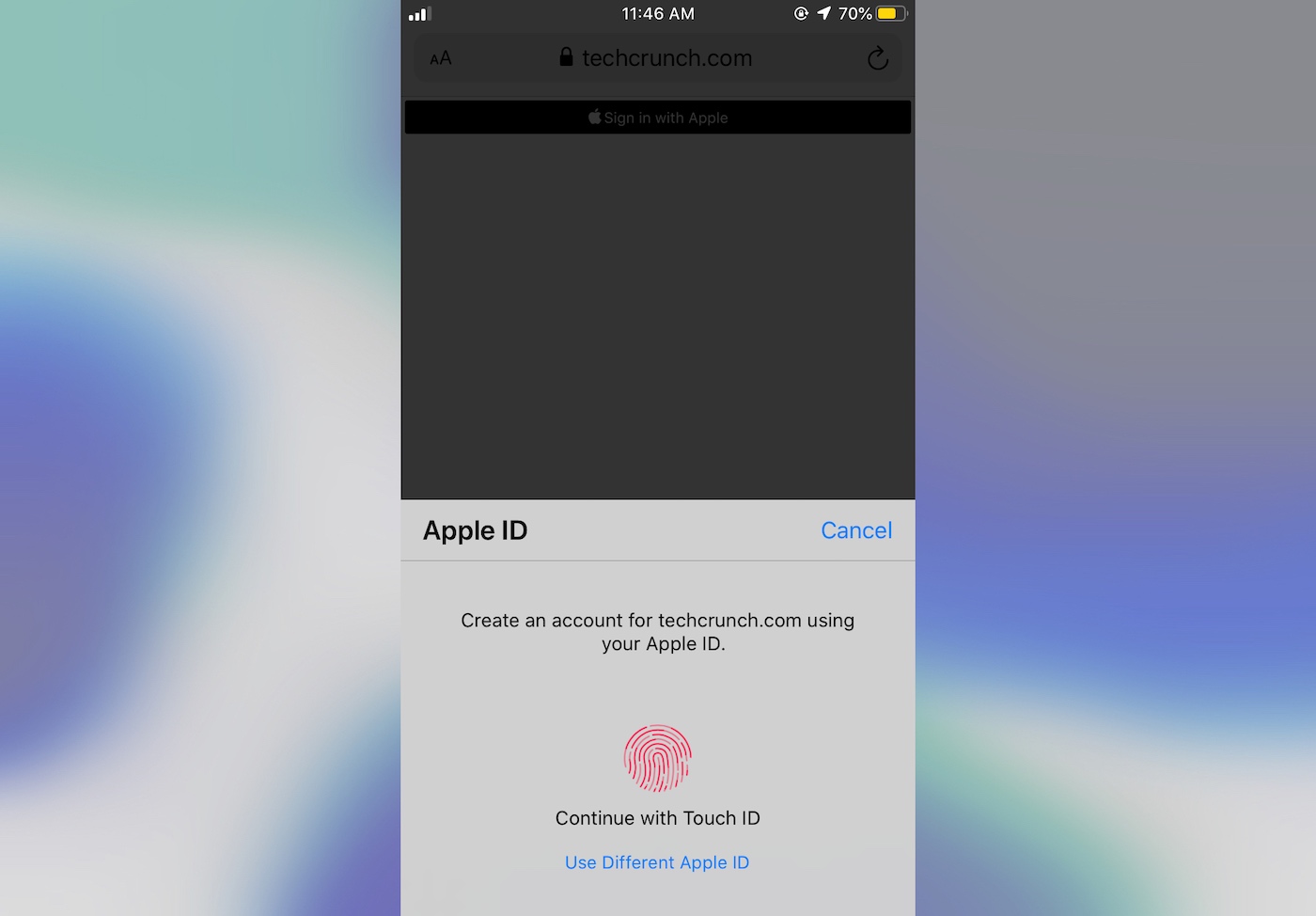
This is one of the cooler features coming soon — Apple’s new sign-in option allows users to sign in to apps and services with one tap, and without having to turn over any sensitive or private information. Any app that requires a sign-in option must use Sign In With Apple as an option. In doing so users can choose to share their email with the app maker, or choose a private “relay” email, which hides a user’s real email address so the app only sees a unique Apple-generated email instead. Apple says it doesn’t collect users’ data, making it a more privacy-minded solution. It works across all devices, including Android devices and websites.

You can silence unknown callers
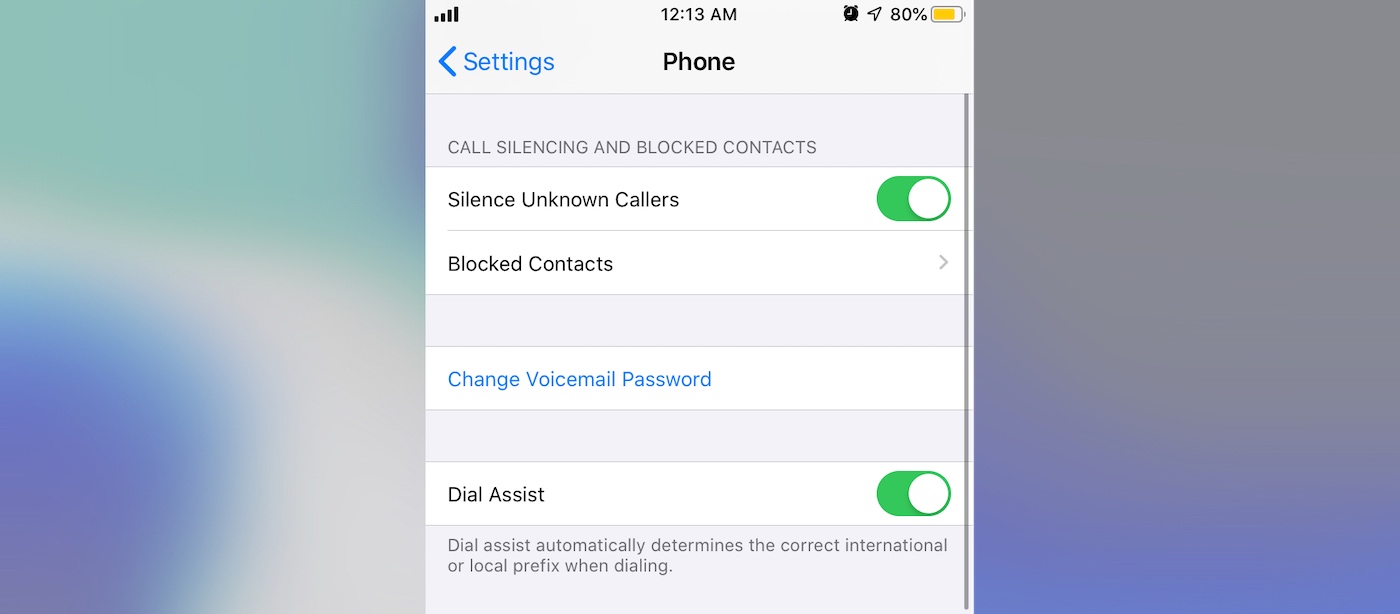
4 block callers

Here’s one way you can cut down on disruptive spam calls: iOS 13 will let you send unknown callers straight to voicemail. This catches anyone who’s not in your contacts list will be considered an unknown caller.

You can strip location metadata from your photos
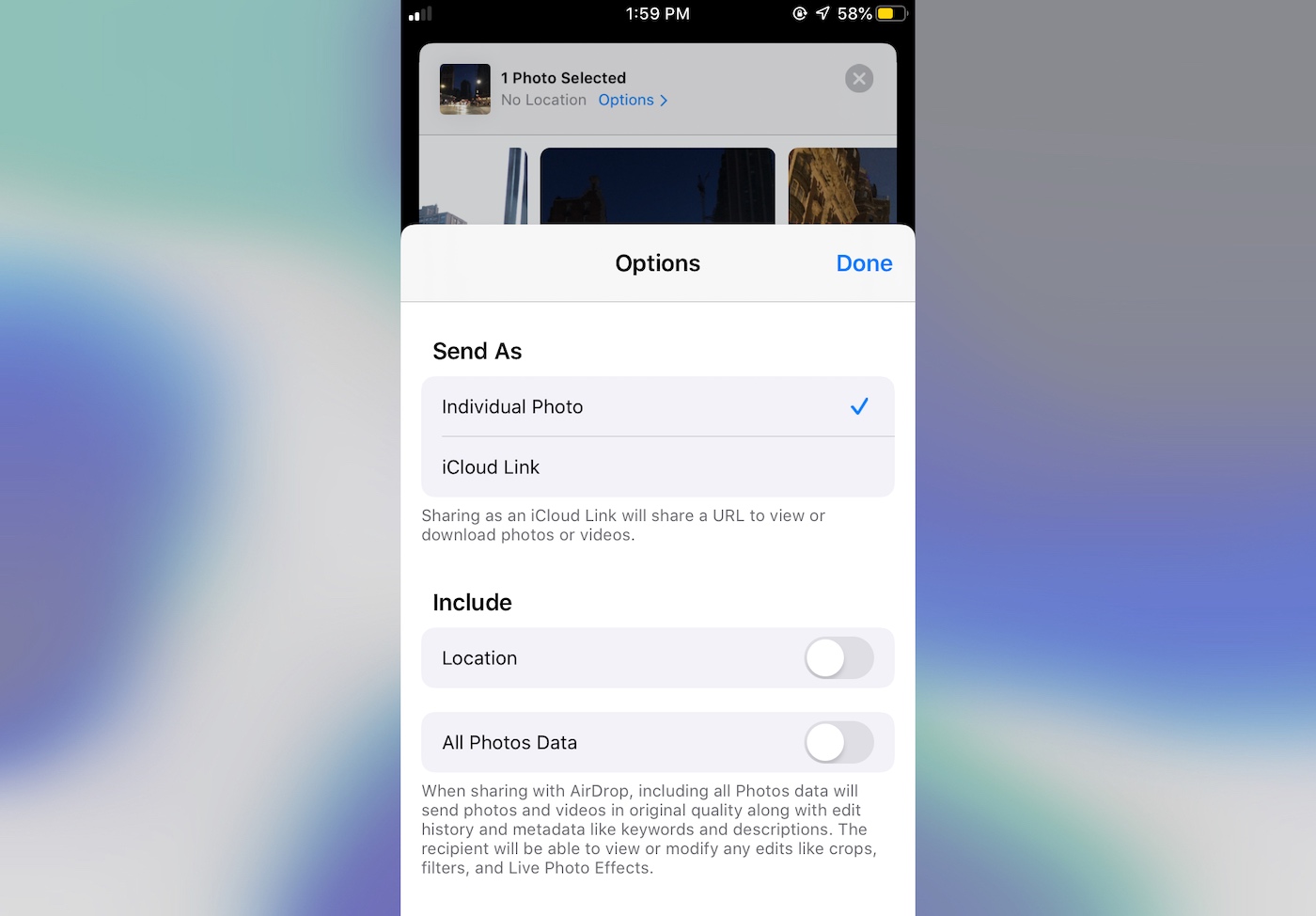
7 strip location

Every time you take a photo your iPhone stores the precise location of where the photo was taken as metadata in the photo file. But that can reveal sensitive or private locations — such as your home or office — if you share those photos on social media or other platforms, many of which don’t strip the data when they’re uploaded. Now you can. With a few taps, you can remove the location data from a photo before sharing it.

And Safari gets better anti-tracking features
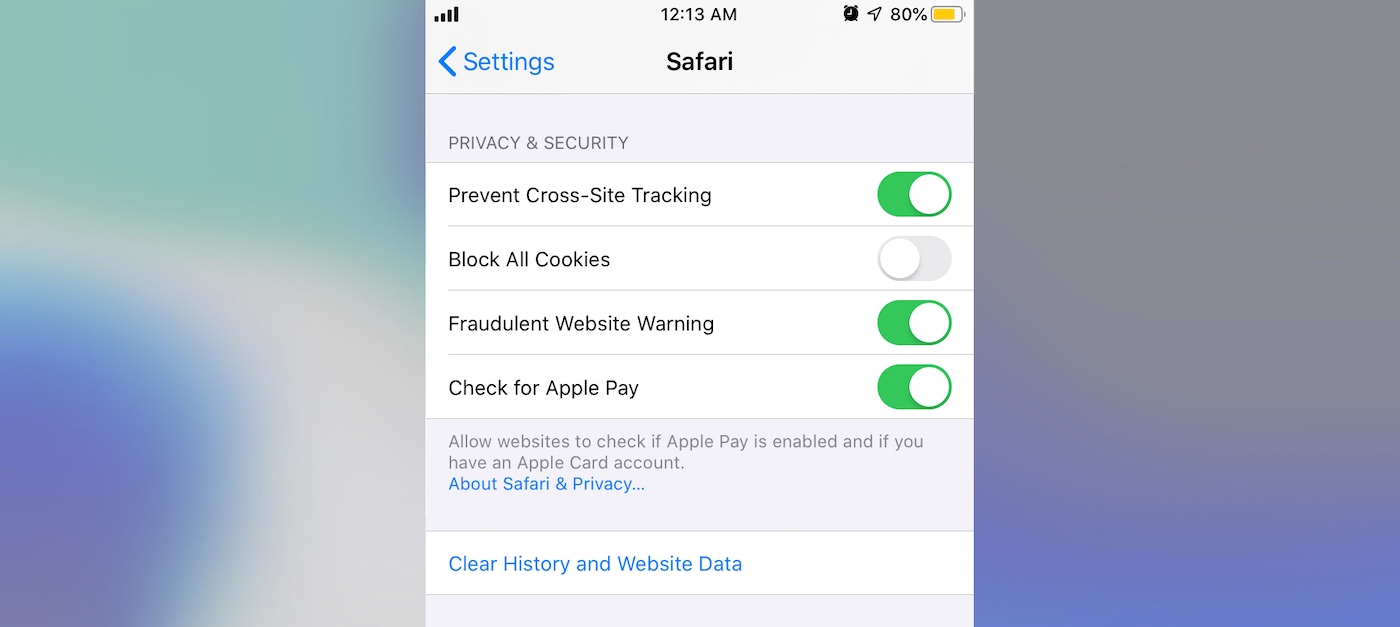
9 safari improvements

Apple continues to advance its new anti-tracking technologies in its native Safari browser, like preventing cross-site tracking and browser fingerprinting. These features make it far more difficult for ads to track users across the web. iOS 13 has its cross-site tracking technology enabled by default so users are protected from the very beginning.

Read more:


from Android – TechCrunch https://ift.tt/2SnsTXy
via IFTTT

iOS 13: Here are the new security and privacy features you might’ve missed

In just a few weeks Apple’s new iOS 13, the thirteenth major iteration of its popular iPhone software, will be out — along with new iPhones and a new iPad version, the aptly named iPadOS.

We’ve taken iOS 13 for a spin over the past few weeks — with a focus on the new security and privacy features — to see what’s new and how it works.

Here’s what you need to know..

You’ll start to see reminders about apps that track your location

1 location track

Ever wonder which apps track your location? Wonder no more. iOS 13 will periodically remind you about apps that are tracking your location in the background. Every so often it will tell you how many times an app has tracked where you’ve been in a recent period of time, along with a small map of the location points. From this screen you can “always allow” the app to track your location or have the option to limit the tracking.

You can grant an app your location just once

2 location ask

To give you more control over what data have access to, iOS 13 now lets you give apps access to your location just once. Previously there was “always,” “never” or “while using,” meaning an app could be collecting your real-time location as you’re using it. Now you can grant an app access on a per use basis — particularly helpful for the privacy-minded folks.

And apps wanting access to Bluetooth can be declined access

Screen Shot 2019 07 18 at 12.18.38 PM

Apps wanting to access Bluetooth will also ask for your consent. Although apps can use Bluetooth to connect to gadgets, like fitness bands and watches, Bluetooth-enabled tracking devices known as beacons can be used to monitor your whereabouts. These beacons are found everywhere — from stores to shopping malls. They can grab your device’s unique Bluetooth identifier and track your physical location between places, building up a picture of where you go and what you do — often for targeting you with ads. Blocking Bluetooth connections from apps that clearly don’t need it will help protect your privacy.

Find My gets a new name — and offline tracking

5 find my

Find My, the new app name for locating your friends and lost devices, now comes with offline tracking. If you lost your laptop, you’d rely on its last Wi-Fi connected location. Now it broadcasts its location using Bluetooth, which is securely uploaded to Apple’s servers using nearby cellular-connected iPhones and other Apple devices. The location data is cryptographically scrambled and anonymized to prevent anyone other than the device owner — including Apple — from tracking your lost devices.

Your apps will no longer be able to snoop on your contacts’ notes

8 contact snoop

Another area that Apple is trying to button down is your contacts. Apps have to ask for your permission before they can access to your contacts. But in doing so they were also able to access the personal notes you wrote on each contact, like their home alarm code or a PIN number for phone banking, for example. Now, apps will no longer be able to see what’s in each “notes” field in a user’s contacts.

Sign In With Apple lets you use a fake relay email address

6 sign in

This is one of the cooler features coming soon — Apple’s new sign-in option allows users to sign in to apps and services with one tap, and without having to turn over any sensitive or private information. Any app that requires a sign-in option must use Sign In With Apple as an option. In doing so users can choose to share their email with the app maker, or choose a private “relay” email, which hides a user’s real email address so the app only sees a unique Apple-generated email instead. Apple says it doesn’t collect users’ data, making it a more privacy-minded solution. It works across all devices, including Android devices and websites.

You can silence unknown callers

4 block callers

Here’s one way you can cut down on disruptive spam calls: iOS 13 will let you send unknown callers straight to voicemail. This catches anyone who’s not in your contacts list will be considered an unknown caller.

You can strip location metadata from your photos

7 strip location

Every time you take a photo your iPhone stores the precise location of where the photo was taken as metadata in the photo file. But that can reveal sensitive or private locations — such as your home or office — if you share those photos on social media or other platforms, many of which don’t strip the data when they’re uploaded. Now you can. With a few taps, you can remove the location data from a photo before sharing it.

And Safari gets better anti-tracking features

9 safari improvements

Apple continues to advance its new anti-tracking technologies in its native Safari browser, like preventing cross-site tracking and browser fingerprinting. These features make it far more difficult for ads to track users across the web. iOS 13 has its cross-site tracking technology enabled by default so users are protected from the very beginning.

Read more:


from Apple – TechCrunch https://ift.tt/2SnsTXy

Wednesday, 17 July 2019

Apple gives a sneak peek of its new Peanuts series with ‘Snoopy in Space’ trailer

As the U.S. commemorates the 50th anniversary of the Moon landing, Apple took to the internet to give audiences a peek into the first of its new Peanuts series, “Snoopy in Space.”

The series will follow Charles M. Schulz’s characters as they take a field trip to a NASA location where Snoopy and Woodstock are selected for a space mission.

Charlie Brown and the rest of the characters will staff mission control, while Snoopy and Woodstock fly into the great beyond.

The series is set to launch on Apple TV+ in the fall.


from Apple – TechCrunch https://ift.tt/32zz7Zm

Uber riders now earn rewards for shopping during their trip with new Cargo app

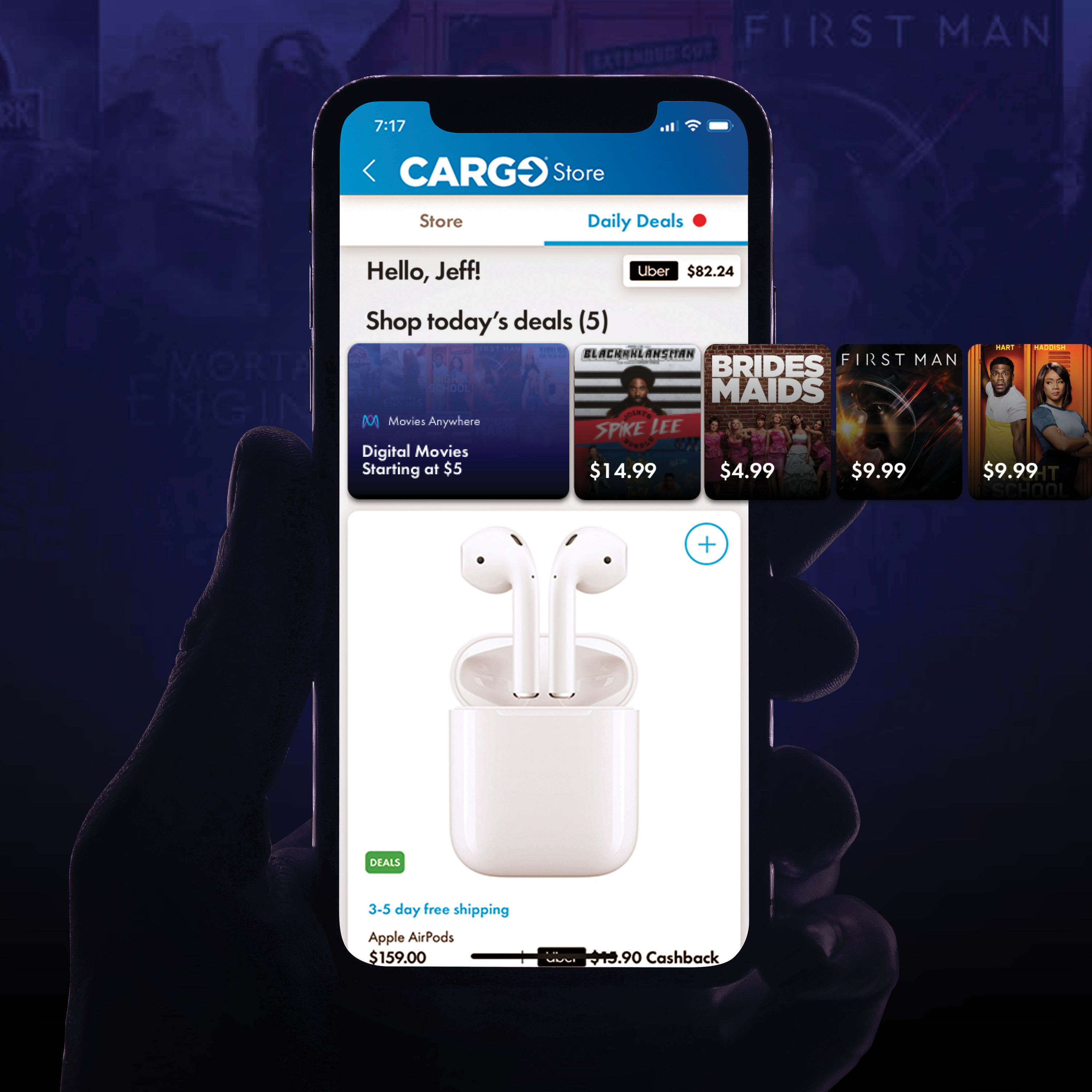
Uber is launching a new shopping app with commerce partner Cargo, a startup it signed an exclusive global partnership with last year. The app will feature items curated by Uber including products like Nintendo Switch, Apple hardware, Away luggage, Glossier cosmetics and more, and will be available to download for Uber riders making trips in cars that have Cargo consoles on board. The Cargo app will also provide in-ride entertainment, including movies from Universal Studios available to purchase for between $5 and $10 each (with bundle discounts for multiple movies), which are then viewable in the Movies Anywhere app.

Uber riders will also benefit by receiving 10 percent of their purchase value back in Uber Cash, which they can then use either on future trips, or on other purchases made through the Cargo app while riding. Uber drivers also benefit, earning 25 percent of the value of items purchased from the Cargo Box in-car, and an additional $1 for each first purchase by a passenger through the new app.

Riders just need to grab the iOS or Android app and then scan the QR code located on the Cargo Box in their driver’s car. Cargo’s app only allows purchases while on the trip, and then the item will be automatically shipped to a rider’s home address for free with an estimated delivery time of between two and five business days.

Cargo App Home Screen

This tie-up is a natural evolution for Uber’s business – the company hosts millions of riders every week, and many of those are taking relatively long trips to and from airports and other transit hubs, which provides ample opportunity to get them buying stuff or watching purchased content. Cargo, in which Uber has some equity stake, has a good opportunity to figure out how best to make the most of those trips.

This is hardly without precedent – airlines have attempted to capture consumer interest in the skies with onboard duty-free and other sales, as well as content for purchase. The big question will be whether Uber and Cargo together can provide enough additional purchase incentive vs. riders just opening the Amazon app or whatever other commerce options they have available on their own personal devices to make it a sustainable extension of their business.


from Android – TechCrunch https://ift.tt/2JCdlwv
via IFTTT

AlphaSense, a search engine for analysis and business intel, raises $50M led by Innovation Endeavors

Google and its flagship search portal opened the door to the possibilities of how to build a business empire on the back of organising and navigating the world’s information, as found on the internet. Now, a startup that’s built a search engine tailored to the needs of enterprises and their own quests for information has raised a round of funding to see if it can do the same for the B2B world.

AlphaSense, which provides a way for companies to quickly amass market intelligence around specific trends, industries and more to help them make business decisions, has closed a $50 million round of funding, a Series B that it’s planning to use to continue enhancing its product and expanding to more verticals.

Today, the company today counts some 1,000 clients on its books, with a heavy emphasis on investment banks and related financial services companies. That’s in part because of how the company got its start: Finnish co-founder and CEO Jaakko (Jack) Kokko he had been an analyst at Morgan Stanley in a past life and understood the labor and time pain points of doing market research, and decided to build a platform to help shorted a good part of the information gathering process.

“My experience as an analyst on Wall Street showed me just how fragmented information really was,” he said in an interview, citing as one example how complex sites like those of the FDA are not easy to navigate to look for new information an updates — the kind of thing that a computer would be much more adept at monitoring and flagging. “Even with the best tools and services, it still was really hard to manually get the work done, in part because of market volatility and the many factors that cause it. We can now do that with orders of magnitude more efficiency. Firms can now gather information in minutes that would have taken an hour. AlphaSense does the work of the best single analyst, or even a team of them.”

(Indeed, the “alpha” of AlphaSense appears to be a reference to finance: it’s a term that refers to the ability of a trader or portfolio manager to beat the typical market return.)

The lead investor in this round is very notable and says something about the company’s ambitions. It’s Innovation Endeavors, the VC firm backed by Eric Schmidt, who had been the CEO of none other than Google (the pace-setter and pioneer of the search-as-business model) for a decade, and then stayed on as chairman and ultimately board member of Google and then Alphabet (its later holding company) until just last June.

Schmidt presided over Google at what you could argue was its most important time, gaining speed and scale and transitioning from an academic idea into full-fledged, huge public business whose flagship product has now entered the lexicon as a verb and (through search and other services like Android and YouTube) is a mainstay of how the vast majority of the world uses the web today. As such he is good at spotting opportunities and gaps in the market, and while enterprise-based needs will never be as prominent as those of mass-market consumers, they can be just as lucrative.

“Information is the currency of business today, but data is overwhelming and fragmented, making it difficult for business professionals to find the right insights to drive key business decisions,” he said in a statement. “We were impressed by the way AlphaSense solves this with its AI and search technology, allowing businesses to proceed with the confidence that they have the right information driving their strategy.”

This brings the total raised by AlphaSense to $90 million, with other investors in this round including Soros Fund Management LLC and other unnamed existing investors. Previous backers had included Tom Glocer (the former Reuters CEO who himself is working on his own fintech startup, a security firm called BlueVoyant), the MassChallenge incubator, Tribeca Venture Partners and others. Kokko said AlphaSense is not disclosing its valuation at this point. (I’m guessing though that it’s definitely on the up.)

There have been others that have worked to try to tackle the idea of providing more targeted, and business focused search portals, from the likes of Wolfram Alpha (another alpha!) through to Lexis Nexis and others like Bloomberg’s terminals, FactSet, Business Quant and many more.

One interesting aspect of AlphaSense is how it’s both focused on pulling in requests as well as set up to push information to its users based on previous search parameters. Currently these are set up to only provide information, but over time, there is a clear opportunity to build services to let the engines take on some of the actions based on that information, such as adjusting asking prices for sales and other transactions.

“There are all kinds of things we could do,” said Kokko. “This is a massive untapped opportunity. But we’re not taking the human out of the loop, ever. Humans are the right ones to be making final decisions, and we’re just about helping them make those faster.”


from Android – TechCrunch https://ift.tt/2YXtF03
via IFTTT

Tuesday, 16 July 2019

Apple reportedly planning to fund creation of exclusive original podcasts

Apple is said to be planning to bankroll the creation of original podcasts from third-parties that it will offer exclusively on its own streaming services, Bloomberg reports. The report says that Apple’s plans to land podcast exclusives will help the company compete with similar offerings from streaming rivals including Spotify and Sticher, both of which are funding exclusive podcast content, and in some cases, wholly original shows to run on their own streaming audio offerings.

The report says that Apple execs have been reaching out to media companies that produce audio content to talk about the possibility of buying exclusive rights to some podcasts, albeit in a “preliminary” way, which suggests that this plan may be in the very early stages. It seems unlikely, then, that we would see any kind of Apple exclusive original podcast content ahead of other media efforts soon to launch from the company, including its Apple TV+ subscription video service coming this fall.

Apple has recently made a number of improvements to its podcast product offerings, both on the consumer and the creator side, including more detailed analytics for podcasters, and a full-fledged standalone Podcasts app for its macOS computers, which is launching alongside macOS Catalina this fall. Still, it’s largely been hands-off when it comes to content, aside from informally meeting with podcasters on occasion and sharing best practices.

Meanwhile, Spotify in particular has been especially aggressive about acquiring its own podcast media companies, including Gimlet, which makes popular podcast ‘Reply All”; Anchor, which creates podcast making tools for publishing and monetization; and Parcast, another podcast creation network with a deep library of true-life and other content.

Apple still enjoys a strong majority of audience when it comes to overall podcast listenership by all accounts, but Spotify is definitely chipping away by focusing effort and investment both on the product and on the content side. Apple considering funding content of its own definitely makes sense given its tactics in video, and the changed landscape of the podcast business.


from Apple – TechCrunch https://ift.tt/32uby3T

AI photo editor FaceApp goes viral again on iOS, raises questions about photo library access

FaceApp. So. The app has gone viral again after first doing so two years ago or so. The effect has gotten better but these apps, like many other one off viral apps, tend to come and go in waves driven by influencer networks or paid promotion. We first covered this particular AI photo editor  from a team of Russian developers about two years ago.

It has gone viral again now due to some features that allow you to edit a person’s face to make it appear older or younger. You may remember at one point it had an issue because it enabled what amounted to digital blackface by changing a person from one ethnicity to another.

In this current wave of virality, some new rumors are floating about FaceApp. The first is that it uploads your camera roll in the background. We found no evidence of this and neither did security researcher and Guardian App CEO Will Strafach or researcher Baptiste Robert.

The second is that it somehow allows you to pick photos without giving photo access to the app. You can see a video of this behavior here:

While the app does indeed let you pick a single photo without giving it access to your photo library, this is actually 100% allowed by an Apple API introduced in iOS 11. It allows a developer to let a user pick one single photo from a system dialog to let the app work on. You can view documentation here and here.

IMG 54E064B28241 1

Because the user has to tap on one photo, this provides something Apple holds dear: user intent. You have explicitly tapped it, so it’s ok to send that one photo. This behavior is actually a net good in my opinion. It allows you to give an app one photo instead of your entire library. It can’t see any of your photos until you tap one. This is far better than committing your entire library to a jokey meme app.

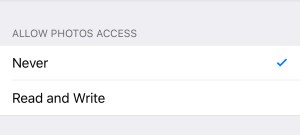
Unfortunately, there is still some cognitive dissonance here, because Apple allows an app to call this API even if a user has set the Photo Access setting to Never in settings. In my opinion, if you have it set to Never, you should have to change that before any photo can enter the app from your library, no matter what inconvenience that causes. Never is not a default, it is an explicit choice and that permanent user intent overrules the one-off user intent of the new photo picker.

I believe that Apple should find a way to rectify this in the future by making it more clear or disallowing if people have explicitly opted out of sharing photos in an app.

IMG 0475

One good idea might be the equivalent of the ‘only once’ location option added to the upcoming iOS 13 might be appropriate.

One thing that FaceApp does do, however, is it uploads your photo to the cloud for processing. It does not do on-device processing like Apple’s first party app does and like it enables for third parties through its ML libraries and routines. This is not made clear to the user.

I have asked FaceApp why they don’t alert the user that the photo is processed in the cloud. I’ve also asked them whether they retain the photos.

Given how many screenshots people take of sensitive information like banking and whatnot, photo access is a bigger security risk than ever these days. With a scraper and optical character recognition tech you could automatically turn up a huge amount of info way beyond ‘photos of people’.

So, overall, I think it is important that we think carefully about the safeguards put in place to protect photo archives and the motives and methods of the apps we give access to.


from Android – TechCrunch https://ift.tt/2xOCVHV
via IFTTT